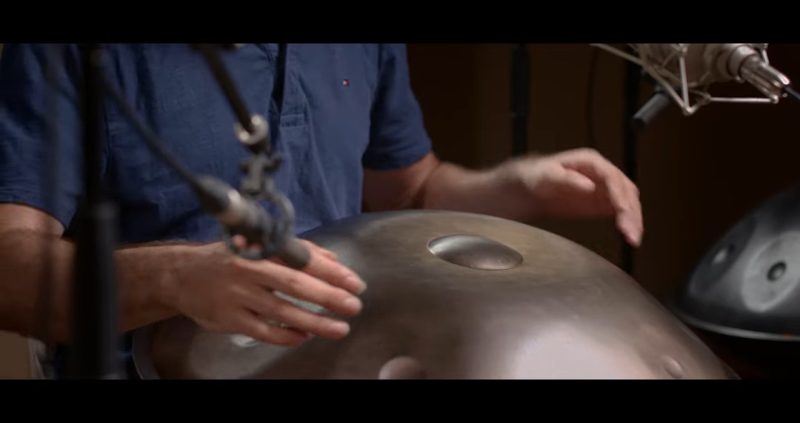
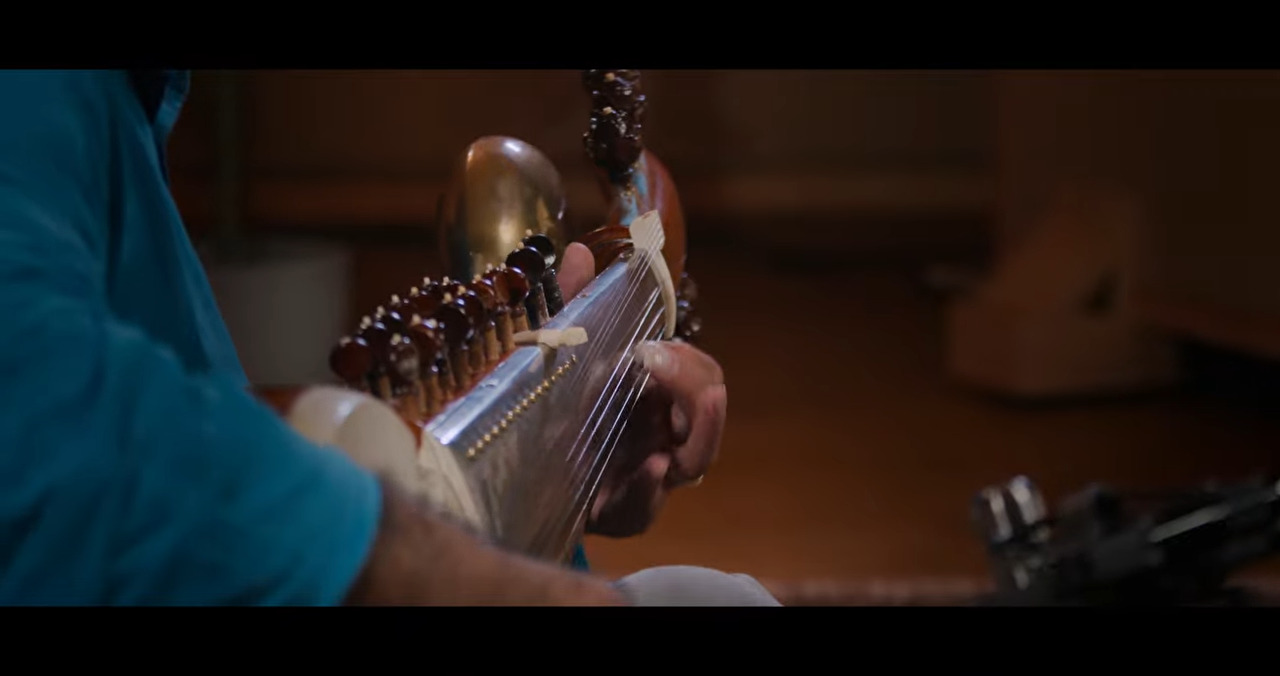
Step inside an immersive recording session with world‑class sarod player Aditya Verma, where every decision—from mic choice to placement in the room—is about honoring the instrument’s nuance and power. The sarod is a fretless, plucked Indian instrument with a distinctive, vocal attack that lives in the upper registers, around that crucial 12k–14k band. At close range you get all the transient bite and detail, but you can easily lose the wider wash of resonance and the shimmer of sympathetic strings that make the instrument feel alive in a room.
In this session, we started with a large diaphragm condenser paired with a ribbon, only to realize both were soft on the transient front end that defines the sarod. Swapping to a Schoeps MK4 about 16 inches off the body, and pairing it with an ORTF MK21 array at a distance, gave us the blend we were after: intimate articulation up front, supported by the spacious, breathing halo of the instrument in the room. From there, the focus shifted to immersion—using quad height mics (DPA 4006s) and a Coles 4038 tree to capture not just the direct sound, but the reflections and character of this gorgeous space, with the Coles providing a darker, weighty image that sits beautifully in the rears.
One key discovery was how much orientation and height of the height mics changed the sound. Pointed down, the 4006s introduced a low‑mid buildup that didn’t reflect what we were hearing in the room. By lifting them a few feet and aiming them toward the ceiling, the recording opened up—shedding the excess low‑mid weight and revealing a more natural, airy top end. It was a reminder that microphones aren’t ears, and sometimes what feels “right” up close doesn’t translate once you’re listening back in context. In the end, the litmus test was simple: when we hit play, it felt like standing right in front of the sarod—present, dimensional, and true to the instrument. This blog dives into how that signal chain, mic geometry, and room interaction came together to create a truly immersive sarod recording.


Justin Gray is an award-winning mix engineer, mastering engineer and producer based in Toronto, Canada. He works with artists from around the world in a wide range of musical styles, in his world-class facility equipped for stereo and immersive audio music production.
Don't miss a beat
Sign up to receive Justin Gray Sound’s email newsletter — featuring the latest educational videos, product reviews, and all things immersive audio.